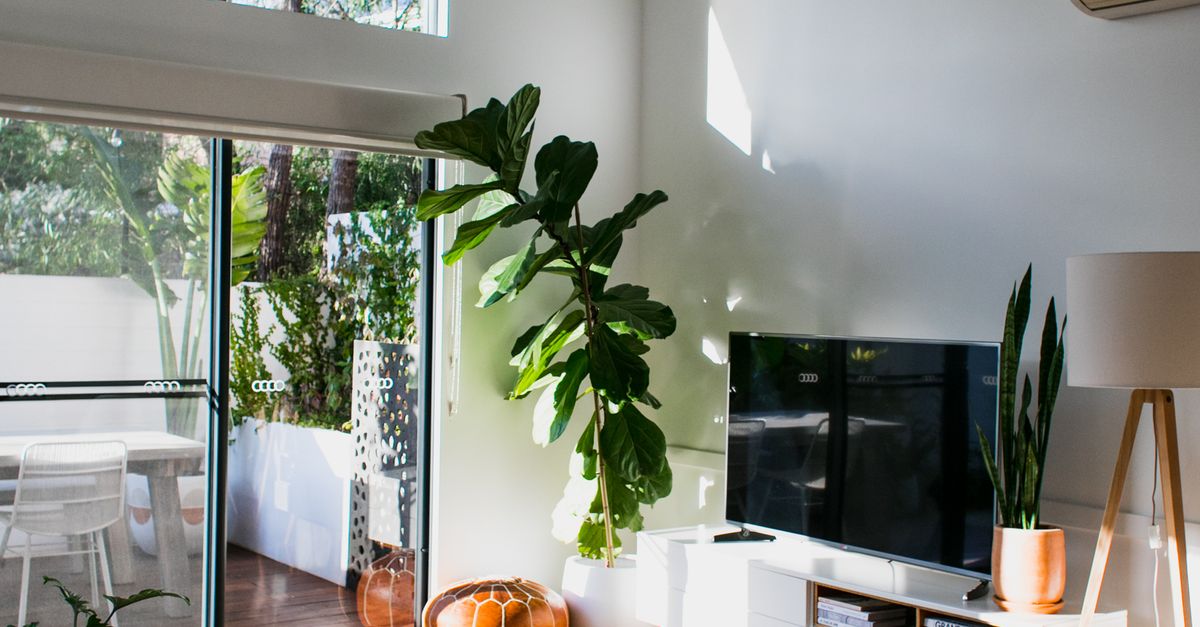
Maximising Natural Light in Byron Bay Homes
Table Of Contents
Interior Color Schemes for Light Reflection
Choosing the right color scheme can significantly enhance the natural light in a space. Light and airy shades such as whites, creams, and soft pastels reflect sunlight, making rooms feel brighter and more spacious. These hues help create an inviting atmosphere that can transform even the smallest rooms. Additionally, using a combination of light colors on walls, ceilings, and larger furniture pieces can maximize brightness.
Incorporating reflective finishes into the color scheme can further boost light reflection. Glossy or satin finishes on walls and woodwork catch and bounce light, adding depth and dimension. A well-thought-out palette, combining both light colors and reflective surfaces, not only amplifies natural light but also contributes to a cohesive and stylish design throughout the home.
Selecting Light Colors for Maximum Brightness
Choosing light colors for interior walls can significantly impact the brightness of a space. Soft whites, pale grays, and light pastels reflect natural light effectively, helping to create an inviting atmosphere. These shades can make rooms appear larger and airier, which is particularly beneficial in coastal homes where the surrounding beauty complements a serene environment.
In addition to wall colors, incorporating lighter hues in furniture and decor further enhances the effect of natural light. Selecting furnishings in shades like cream, beige, or light wood can maintain the bright aesthetic while adding warmth. Accents in glass or metallic finishes can also enhance light reflection, creating a cohesive design that optimizes the joyful ambiance of Byron Bay homes.
Landscaping for Light Optimization
Careful landscaping plays a vital role in optimizing natural light for homes in Byron Bay. By strategically selecting and positioning trees and shrubs, homeowners can either enhance or hinder the flow of sunlight. Choosing deciduous trees can create a seasonal balance, providing shade during the hot summer months while allowing sunlight to flood in during winter. Additionally, keeping plantings lower near windows ensures that views remain unobstructed, allowing ample light to enter living spaces.
Incorporating open spaces and well-placed pathways can further facilitate light penetration. Using lighter colored gravel or stones in landscaping designs reflects sunlight, contributing to a brighter outdoor environment. Raised garden beds and terracing can also help manage the landscape's height, ensuring that structures nearby do not cast excessive shadows. This thoughtful approach to landscaping helps to harmonize natural elements with home design, promoting a warm and inviting atmosphere indoors.
Planting Trees and Shrubs Wisely
When planning your landscape, consider the positioning of trees and shrubs to enhance the influx of natural light into your home. Placing taller trees away from windows will allow sunlight to reach interior spaces, fostering a bright and airy atmosphere. Carefully choosing locations also helps prevent shadows that can dampen the brightness of your living areas.
In addition, the type of foliage you select plays a crucial role in light optimization. Opt for deciduous trees that lose their leaves in winter, letting sunlight filter through during the cooler months. With the right selection and placement, your garden can provide shade during the hot summer while simultaneously allowing ample light to brighten your indoor spaces year-round.
Using Mirrors to Amplify Natural Light
Mirrors serve as powerful tools in enhancing the natural light within a space. By reflecting daylight from windows or light sources, they create an illusion of a larger, brighter room. Positioning mirrors across from windows or near light fixtures can double the effect, making the interior feel airy and expansive. This simple tactic adds depth and can transform the ambiance of a home in Byron Bay, where sunny days are abundant.
Consider the size and shape of mirrors when looking to maximize their impact. Larger mirrors can act as statements, drawing attention and making spaces feel open. Meanwhile, smaller mirrors can be grouped together for a dynamic visual effect. Using decorative frames can add character while still maintaining functionality. Thoughtful placement in areas lacking direct sunlight can help distribute light effectively, ensuring all corners of a room benefit from the illumination.
Strategically Placing Reflective Surfaces
Incorporating reflective surfaces into a room can significantly enhance the flow of natural light. Mirrors can be placed opposite windows to capture and bounce sunlight throughout the space. This technique not only brightens areas that might otherwise feel dark but also creates an illusion of a larger space, making rooms feel more open and inviting. Choose wall-mounted mirrors in various shapes and sizes for added visual interest.
Reflective furnishings can also play a crucial role in maximizing light. Glass tables, metallic finishes, or high-gloss furniture can help to disperse sunlight, adding brightness to nooks and crannies that typically receive less light. Strategically positioning these elements allows light to escape from its source and dance around the room, enhancing the overall ambiance and unity of the design.
FAQS
What are some effective interior color schemes for maximizing natural light in my Byron Bay home?
Using light colors such as whites, creams, and soft pastels can help reflect natural light within your space, making it feel brighter and more open.
How can I select light colors that will enhance the brightness of my rooms?
Opt for colors with a high light reflectance value (LRV); these shades will bounce light around the room effectively. Additionally, consider using glossy finishes for walls and ceilings to further amplify brightness.
What landscaping techniques can I use to optimize natural light around my home?
To optimize natural light, strategically plant trees and shrubs away from windows and use low-growing plants in front of your home to avoid blocking sunlight.
How do I choose the right trees and shrubs to avoid blocking light?
Select deciduous trees that provide shade in the summer but allow sunlight to filter through in the winter. Additionally, consider the height and spread of shrubs to ensure they won’t obstruct light during peak sunlight hours.
How can mirrors be used to amplify natural light in my home?
Mirrors can be placed opposite windows or in areas where natural light enters, effectively reflecting and dispersing light throughout the room, which can create a more spacious and luminous feel.
Related Links
Innovative Insulation Strategies for Coastal HomesUsing Thermal Mass to Regulate Indoor Temperatures
The Benefits of Green Roofs in Energy Conservation
Choosing Energy-Efficient Windows for Optimal Performance
Smart Home Technology for Energy Efficiency